


Table of Contents
- Why Large Dogs Destroy Toys So Fast
- Indestructible Dog Toys for Aggressive Chewers: What Actually Holds Up
- Non-Toxic Dog Toys for Large Breeds: Materials That Pass Muster
- How to Choose the Right Size Toy for Your Dog
- How to Stop a Dog From Destroying Toys
- Signs of Wear and When to Replace a Chew Toy
- Conclusion
- Frequently Asked Questions
Last Updated: September 11, 2026
Why Large Dogs Destroy Toys So Fast
Most toys fail because they were engineered for average jaw strength, not the bite force a large breed brings to every chew session. Durable chew toys for large dogs are built around material density, thickness, and shape, not marketing claims, and that distinction explains why so many "tough" toys end up in pieces within days.
The core issue is physics. A larger dog applies more force per square inch with every bite, and that force concentrates on seams, edges, and thin walls. A toy that survives a Beagle may not survive a Rottweiler, even if both are labeled "heavy-duty."
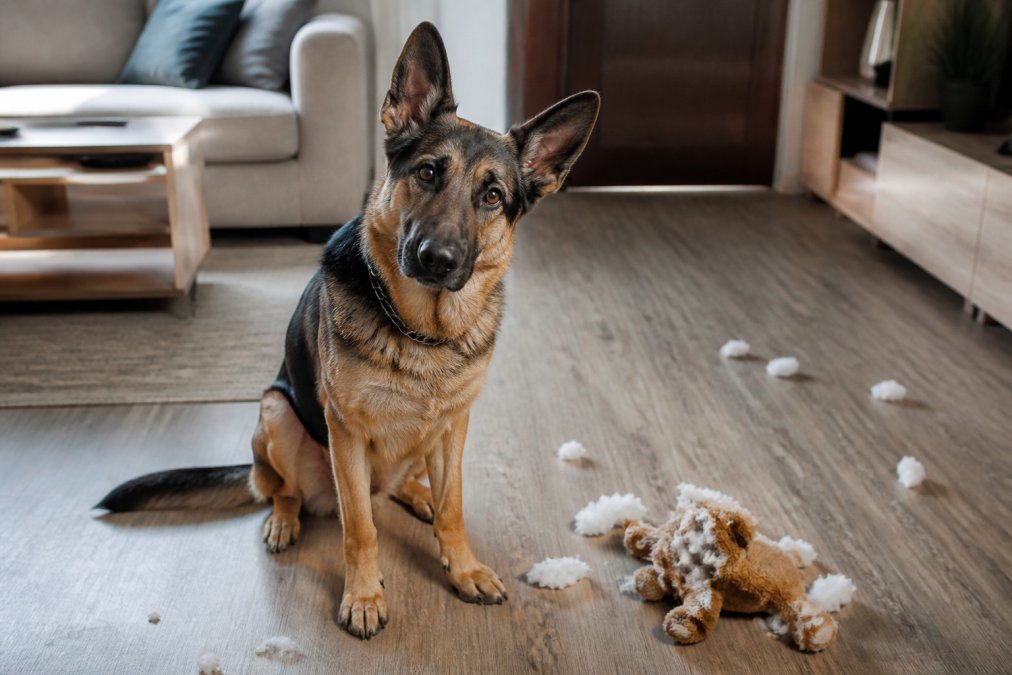
Bite Force and Jaw Strength by Breed
Breed matters more than weight when predicting chewing habits. Dogs bred for guarding or retrieving tend to chew with sustained pressure, while sighthounds often lose interest quickly. This is the breed-specific chewing profile most product listings ignore entirely.
- Power chewers: Rottweilers, German Shepherds, Pit Bull-type breeds, Mastiffs
- Moderate chewers: Labradors, Golden Retrievers, Boxers
- Light chewers: Greyhounds, Whippets, most toy breeds
The American Kennel Club notes that jaw strength and chewing drive vary significantly across working and sporting groups, which is why a single durability rating rarely tells the whole story. Match the toy to the dog, not just the size label.
Indestructible Dog Toys for Aggressive Chewers: What Actually Holds Up
No toy is truly indestructible, and any brand claiming otherwise is overselling. What separates a good toy from a bad one is how long it resists damage under realistic chewing, and whether it fails safely when it finally does. That is the honest standard for indestructible dog toys for aggressive chewers.
Three materials dominate the category, and each behaves differently under load.
| Material | Typical Hardness | Durability | Best For | Failure Mode | Watch Out For |
|---|---|---|---|---|---|
| Natural rubber | Softer, flexes under bite | High | Power chewers, fetch | Tears at seams and edges | Can be punctured by sharp molars |
| Nylon | Very hard, minimal give | Very high | Solo chewers | Wears into sharp ridges | Hard enough to chip or fracture teeth |
| TPR (thermoplastic rubber) | Mid-range, some give | Moderate | Moderate chewers | Crumbles into small bits | Wears down faster than rubber or nylon |
Natural Rubber vs. Nylon vs. TPR
Natural rubber offers the best balance of durability and give, which is why it is the default choice for most power chewers. It flexes under pressure instead of cracking, and its bounce makes it useful for fetch. The trade-off is that rubber eventually tears at stress points, seams, holes, and the edges of treat cavities, so inspect those zones first.
Nylon lasts the longest but carries a real risk: it is hard enough to chip or fracture teeth in dogs that chew aggressively for long stretches. A common mistake is leaving a hard nylon toy with a dog for hours unsupervised. Nylon also does not compress, so it does not reward the dog with any give; some heavy chewers lose interest and redirect to furniture.
TPR (thermoplastic rubber) sits between the two. It is softer than nylon and cheaper than natural rubber, but it does not hold up as long under sustained chewing. For moderate chewers, it works fine. For a determined power chewer, expect a shorter lifespan and more frequent replacement.
Matching Material to Breed-Level Bite Force
Breed matters more than weight when predicting which material will survive. Dogs bred for guarding or retrieving tend to chew with sustained pressure, while sighthounds often lose interest quickly. This is the breed-specific chewing profile most product listings ignore entirely.
- Power chewers (guarding and fighting breeds): Rottweilers, German Shepherds, Pit Bull-type breeds, Mastiffs. These dogs apply high sustained pressure and benefit from thick natural rubber or, for short supervised sessions, dense nylon.
- Moderate chewers (sporting and working breeds): Labradors, Golden Retrievers, Boxers. Natural rubber and quality TPR both hold up well.
- Light chewers (sighthounds and toy breeds): Greyhounds, Whippets, most toy breeds. Softer rubber and plush-backed chew toys are usually enough.
The American Kennel Club notes that jaw strength and chewing drive vary significantly across working and sporting groups, which is why a single durability rating rarely tells the whole story. Match the toy to the dog, not just the size label.
How to Read a Durability Claim
When a package says "tough" or "power chewer," look for three things: a named material (not just "rubber"), a stated hardness or density, and a described failure mode. A toy that fails by tearing into large, non-swallowable pieces is safer than one that shatters into shards or crumbles into pellets. If a listing shows none of these, treat the durability claim as marketing until proven otherwise.
Non-Toxic Dog Toys for Large Breeds: Materials That Pass Muster
Safety comes down to what is in the material and how it is finished. Non-toxic dog toys for large breeds avoid phthalates, BPA, and lead-based colorants, and they use food-grade or veterinary-reviewed compounds. Because large dogs chew longer and harder, they absorb more exposure per toy than small dogs do, which raises the stakes.
Check for these markers before buying:
- Label states "non-toxic" or "food-grade" material
- No strong chemical or plastic smell out of the packaging
- No small parts, glued seams, or loose squeakers
- Colorants are integrated, not painted on
- Manufacturer lists a safety or testing standard
The FDA guidance on animal chews and safety outlines how chew products are evaluated for animal safety, and it is a useful reference when a product's marketing feels vague. If a toy has no material disclosure at all, that silence is a red flag.
How to Choose the Right Size Toy for Your Dog
Size-appropriate toys prevent choking hazards and intestinal blockages, two of the most common chew-toy emergencies veterinarians treat. The rule is simple: the toy should be too large to swallow whole, even when compressed.
A quick sizing method:
- Measure your dog's muzzle width from the outside of the jaw.
- Choose a toy at least as wide as that measurement.
- Avoid toys with ends narrow enough to slip past the back teeth.
- For rope toys, check that strands cannot be swallowed once frayed.
Many businesses find that owners underestimate their dog's size by one tier. When in doubt, size up. A slightly oversized toy is far safer than one that fits entirely inside the mouth.
How to Stop a Dog From Destroying Toys
Destruction is usually a symptom, not a personality flaw. Dogs chew to relieve boredom, manage anxiety, or burn energy, and a toy that offers no engagement gets dismantled out of frustration. Understanding why your dog destroys toys is the first step to fixing it.
The American Veterinary Medical Association's pet behavior resources explains that unmet enrichment needs frequently drive destructive chewing, which is why swapping toys alone rarely solves the problem.
Practical fixes:
- Add mental stimulation with puzzle feeders and treat-stuffable toys
- Increase daily exercise, especially for working breeds
- Provide appropriate outlets for boredom relief instead of punishment
- Rotate toys to keep engagement high
Interactive Play vs. Solo Chewing
Interactive play burns more energy in less time and strengthens the owner-dog bond. Fetch, tug, and hide-and-seek all channel chewing drive into structured activity.
Solo chewing serves a different purpose: it calms a dog and occupies it when you cannot play. The best routine combines both. Use interactive sessions to drain energy, then offer a durable solo chew toy to settle your dog afterward. Dogs that get both tend to leave furniture and shoes alone.
Signs of Wear and When to Replace a Chew Toy
Replace any toy the moment it shows structural damage, not when it finally falls apart. Wear and tear is the earliest warning you get, and ignoring it is how most chew-toy injuries happen. This is the replacement and disposal protocol most guides skip entirely, and it is the difference between a worn toy and a surgery.
Retire a toy immediately if you see:
- Cracks, splits, or deep gouges in the material
- Missing chunks or pieces your dog may have swallowed
- Exposed internal parts or loose squeakers
- Frayed rope strands or unraveling seams
- A surface that has become sticky, brittle, or sharp
- A nylon toy worn into ridges or points that can cut gums
The Inspection Cadence
Most power chewers go through toys faster than the packaging suggests. A workable routine:
- Daily glance. After every chew session, look at the toy for fresh damage. This takes seconds and catches the majority of problems.
- Weekly deep check. Flex rubber toys, run a thumb along nylon edges, and pull on rope knots. Anything that gives more than it used to is on its way out.
- Same-day discard. If you find damage during any check, remove the toy from circulation that day. Do not wait to see if it holds up.
Why Disposal Protocol Matters
Intestinal blockage is the injury owners most often miss until it is serious. A swallowed chunk of rubber or nylon does not pass on its own, and the signs, vomiting, lethargy, loss of appetite, straining, can appear hours or days later. By the time symptoms show, the dog may already need surgery.
A safe disposal protocol:
- Cut before you toss. Rubber and nylon toys should be cut into pieces too small to be a hazard before they go in the trash, so a dog that gets into the bin cannot retrieve them.
- Never leave old toys in the yard. A "retired" toy in the grass is still a chewable object. Pick it up the same day you retire it.
- Bag the pieces. Sealing damaged toy fragments in a tied bag keeps them out of reach and out of the recycling stream.
- Track the timeline. Note when you bought each toy and roughly how long it lasted. Over a few months you will learn your dog's real replacement interval, which is more reliable than any package claim.
Cleaning Between Replacements
Wash rubber and nylon toys in warm soapy water to remove bacteria and saliva buildup, then rinse thoroughly and let them dry completely before returning them to your dog. Toys with hollow cavities or treat pockets need extra attention, trapped moisture and food residue are where bacteria and mold grow. Discard any toy that stays damp inside or develops a persistent odor after washing.
Conclusion
Choosing durable chew toys for large dogs comes down to matching material, size, and enrichment to your specific dog, then inspecting and replacing toys before they fail. It is more work than grabbing whatever is on the shelf, but it protects your dog's teeth, digestion, and safety.
Pure-N-Equal offers a thoughtfully curated selection of practical, stylish, and reliable pet essentials, making everyday life easier and more joyful for pets and their owners. From engaging toys and cozy mats to essential grooming and training accessories, our comprehensive range supports happier, healthier routines by keeping beloved companions entertained, clean, and comfortable. We are dedicated to providing high-quality, durable solutions that allow you to care for your cherished family members with confidence and ease, ensuring a simple and convenient shopping experience for every need. Explore what we offer and choose the essentials that fit your pet's needs.
Frequently Asked Questions
What is the toughest chew toy for dogs?
Natural rubber toys with thick walls and no hollow seams hold up best for most large dogs. Look for toys rated for aggressive chewers, made from solid rubber rather than thin TPR or plush. Nylon bones also last a long time but can wear down tooth enamel over months of daily use. Rotate two or three durable chew toys so no single one takes constant abuse, and check for cracks weekly.
How do I know if a chew toy is non-toxic for my large breed?
Check the label for food-grade or FDA-compliant materials, and avoid toys with strong chemical smells, peeling paint, or loose squeakers. Non-toxic dog toys for large breeds should list their material clearly, usually natural rubber, nylon, or TPR. If a toy has no material information at all, skip it. Wash new toys in warm water before your dog uses them, and toss anything that starts flaking or shedding pieces.
My dog destroys every toy in days. How do I stop the cycle?
Start by matching toy size to your dog's jaw, not its weight. A toy that's too small gets punctured fast. Then add mental stimulation: puzzle feeders, frozen stuffed rubber toys, and short training sessions burn energy that would otherwise go into chewing. Supervise solo chew time and remove toys at the first sign of deep gouges. Rotating toys every few days also keeps them novel and reduces obsessive destruction.
How often should I replace a durable chew toy?
Replace any toy with cracks, missing chunks, exposed squeakers, or edges that have softened into sharp points. For power chewers, inspect toys weekly and expect to replace rubber toys every two to four months with daily use. Nylon toys can last longer but should be retired once the surface becomes rough enough to scrape a fingernail. When in doubt, throw it out. A swallowed fragment can cause an intestinal blockage.